Thread · 9 tweets · 14 Jan 2022

As always, there's a lot of agitation around this case. The allegations certainly ring true, but at the end of the day the problem we (as opposed to the courts) need to fix isn't whether they're true but the fact that they can be made at all.🧵 wsj.com/articles/googl…
If advertising operated as an actual computerised market, there would be no room for such allegations either way: we'd be able to just verify what's going on, and that would be the end of the conversation. Instead, we're funnelling 100s of billions through an opaque juggernaut.
Such arrangements prevent buyers and sellers from making optimal choices because they don't know what's going on. They also concentrate inordinate power in the hands of whoever runs the market — for no benefit whatsoever. So whether it's illegal or not, it's still a dumb system!
I worry that the web/advertising/publishing industry is tinkering at the margins by looking at the privacy issues (very real that they are) but that's not enough. A privacy-preserving mechanism-based fake market is still a mechanism-based fake market.
A good way forward would be to use the privacy work to standardise the data that comes with inventory, and have that be the input to a standardised exchange operated as a trustworthy utility under collective multistakeholder governance. Reach out if you want to chat!
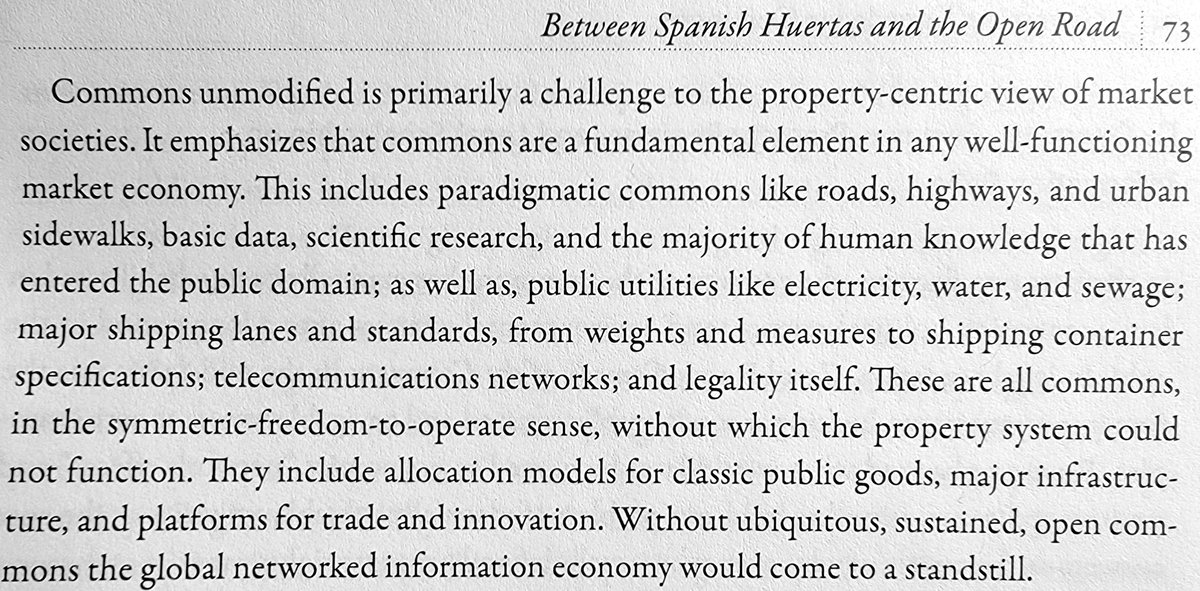
The idea of such a shared infrastructure might sound far-fetched and idealistic until you realise that it's literally ubiquitous. In tech, we tend to *really* suck at infrastructure. But it doesn't have to stay this way!
At the end of the day, something as fundamental as the ad market shouldn't come down to you having to debate who of Ken Paxton or Google is least worthy of your trust. It should just work. I hope you have a great weekend — then let's see if we might just build this!